March 29, 20179 yr Hi All, Went out for a spot of green laning yesterday on my Sherpa T 191. There was quite a lot of road work involved which meant trying, and failing, to keep up with my mate on his 1950 Norton 500 T. Heading back after a couple of hours my clutch was getting grabby and throttle response was jerky. Then engine lost power and died. All compression had gone so had to push it home. I've left it overnight and although I haven't attempted to start it, there is compression now. I know it's geared for trials so top speed about 30mph but does anyone know why it would lose compression? Cheers. Neil.
March 29, 20179 yr you cooked it. running weak at higher throttle openings. your tittle answered your own question.
March 29, 20179 yr Author Thought as much but good to hear from someone with more experience. I won't do it again. Will it have caused lasting damage ?
March 29, 20179 yr 16 minutes ago, netley said: Thought as much but good to hear from someone with more experience. I won't do it again. Will it have caused lasting damage ? Back in the 70 / 80 's it was normal practice to run with the choke on when on the road for any distance.
March 29, 20179 yr I once nipped up my majesty yamaha up in the scottish six days, riding along road section when it started to lose power then the next second the back wheel had locked up so i pulled the clutch in and stopped.after about 5 mins it fired up again and was ok. you could pull the exhaust off and shine a torch in to look at the bore and piston condition.
March 29, 20179 yr For the cost involved I'd be tempted to whip the head and barrel off to see if what's what.
March 30, 20179 yr On 29/03/2017 at 7:36 PM, netley said: Hi All, Went out for a spot of green laning yesterday on my Sherpa T 191. There was quite a lot of road work involved which meant trying, and failing, to keep up with my mate on his 1950 Norton 500 T. Heading back after a couple of hours my clutch was getting grabby and throttle response was jerky. Then engine lost power and died. All compression had gone so had to push it home. I've left it overnight and although I haven't attempted to start it, there is compression now. I know it's geared for trials so top speed about 30mph but does anyone know why it would lose compression? Cheers. Neil. I suspect that the engine may have been fairly worn already. Once there's a significant amount of blowby (and it isn't unusual to find evidence of this in the form of badly stained piston skirts in old Bul engines ) then the piston and cylinder will run hotter than normal at open throttle. A Sherpa engine in good condition and with a sensible tune will handle full throttle and full load indefinitely, and easily. With only maybe 20hp they don't make enough power or heat to hurt themselves. Years ago a very famous Sherpa rider recommended an ignition timing setting quite a bit more advanced than standard and a lot of people run this setting, but I feel it's a bit excessive if you do much fast work and it will tend to encourage heating. If you must run this setting you need to run good fuel, be right on top of the jetting and not run too hot a plug for fast work. A partially clogged or overly restrictive exhaust will also tend to make the engine run hot at high rpms and throttle openings. On 29/03/2017 at 9:38 PM, b40rt said: Back in the 70 / 80 's it was normal practice to run with the choke on when on the road for any distance. If it was necessary to do this then I think it would indicate too-lean top end jetting. Better to simply run the right jet. A Sherpa engine shouldn't need any tricks or crutches like this given their extremely low power output. On 29/03/2017 at 10:23 PM, shyted said: For the cost involved I'd be tempted to whip the head and barrel off to see if what's what. Definitely. And I wouldn't be at all surprised to find the skirts largely blackened. Edited March 30, 20179 yr by oldjohn
March 31, 20179 yr Oldjohn - Agree wholewheartedly with your comments.......and I think I recognise the reference to a very famous Sherpa rider and his recommendation of a more advanced ign. timing - I did wonder about the need (or indeed the wisdom) of this at the time. But hey, what do I know ? netley - I urge you to inspect the bore and piston, before you do any further possible damage.
March 31, 20179 yr 5 hours ago, lorenzo said: Oldjohn - Agree wholewheartedly with your comments.......and I think I recognise the reference to a very famous Sherpa rider and his recommendation of a more advanced ign. timing - I did wonder about the need (or indeed the wisdom) of this at the time. But hey, what do I know ? netley - I urge you to inspect the bore and piston, before you do any further possible damage. The 350s do respond to the advanced timing with sharper low-rpm response, no doubt about it. But the recommended figure is too much to be safe, especially if you ride in hot weather and do very long, steep climbs. A few degrees less - in other words about half way between his recommended number and the factory setting - is more sensible in my opinion, and more kind to the engine. The other thing is oil - if you're just riding tightish sections then you don't need much oil at all. But if there's much high speed work involved or long periods of open throttle then you need to run a more conventional mix like 40:1. Edited March 31, 20179 yr by oldjohn
March 31, 20179 yr 40 - 1 is what I use only as both A and B Engines have been rebuilt once there run in I will put 50- 1 oil in the mix.
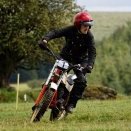
March 31, 20179 yr Author Timing is now electronic so nothing to mess with. I will whip the head off soon but have another few bobs and bits to attend to. One of which is pictured below.
March 31, 20179 yr 3 hours ago, netley said: Timing is now electronic so nothing to mess with. I will whip the head off soon but have another few bobs and bits to attend to. One of which is pictured below. Nice. It's true that electronic ignitions are a set-and-forget deal, but I'd still confirm that it's been set to some sensible figure with a timing light and adjust if necessary.
March 31, 20179 yr Had my electronic ignition on 2 years never had a problem bolted straight out the box.
March 31, 20179 yr Bondy - OK, but that's YOUR electronic ignition, fitted to YOUR bike - not netley's.......... Personally, I'd want to check out the timing, as suggested by oldjohn. (and check dynamically, if electronic advance is involved) Edited March 31, 20179 yr by lorenzo
April 1, 20179 yr Author I am running 40:1 mix on advice from In Motion trials. I did an actual trial a couple of months back. All slow speed of course and it ran beautifully for about 4 hours without missing a beat. If only the same could have been said of me...


Join the conversation
You can post now and register later. If you have an account, sign in now to post with your account.