aussiechris
Members
-
Joined
-
Last visited
Everything posted by aussiechris
-
The welding trick if for removing the bearing "cones" from the headstock. If you weld the bottom bearing it will shrink even tighter onto the stem. I agree with Perce. Break or cut off the cage, then very carefully cut or grind through the bearing inner and stop just shy of hitting the stem. Use a cold chisel to crack the bearing and it will slide off the stem. The correct way is to use a bearing separator as suggested by Crazybond but you will need extra long bolts to reach the top plate. You could also use the bearing separator and a hydraulic press. But most of use don't have access to those tools. Chris.
-
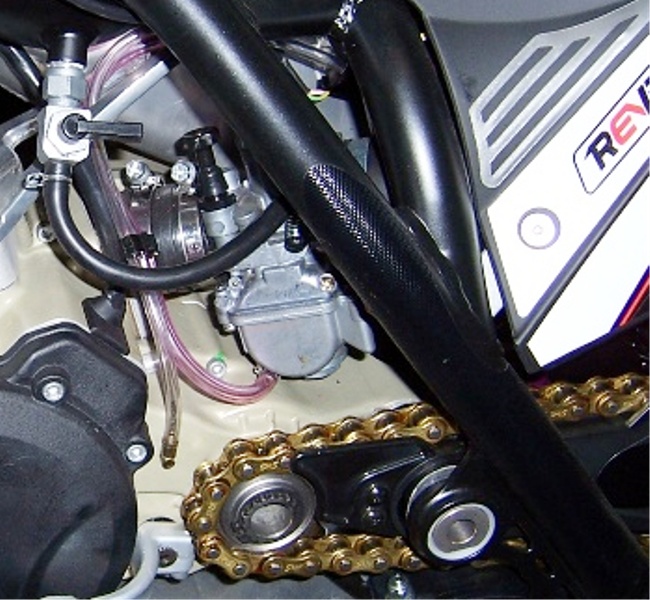
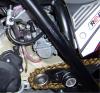
I know all you guys say this is wrong but... My bike was delivered with the overflow tube routed up hill as in the picture below. I don't don't believe this is a mistake as it even has a little factory made clip to hold the overflow tube to the transmission breather tube. Anyway, I have left it like this for the past three years and it works perfectly. It seems like it would be no better than blocking the overflow and yes, it has fuel sitting in the tube all the time. But the bike runs perfect in all positions, doesn't spill fuel unless I crash, and uses less fuel than any other bike. You may not like this set-up but it would cost exactly zero to try it. This was taken on day of delivery in 2011...
-
I have to agree. After watching the videos I figured the no-stop rule must have been abandoned this year. I know there will always be an argument as to whether a rider actually stopped or not, but bouncing the bike backwards (like in the videos) would have been a five even under the old rules. I know they were tough on it in Australia last year and there were many times a rider or minder would argue the point with an observer. It wasn't until the observer pulled the yellow card from their pocket that the riders got the message and complied. Chris.
-
I doubt welding it will work. The nut looks like it is die-cast zinc or pot metal same as the tap. That won't weld very well to the aluminium tank outlet. If you do end up welding, You might have to consider getting a new male threaded outlet machined up (from aluminium) and then weld that into the tank. Chris.
-
Damn, I should have held off. What will I do with my out-of-date 2015 model? Those new ones look like they have electric start - that would be handy. And I'm guessing they will be a whole lot cheaper if they come from where I think they do. You've got to like the use of high-tech sheet steel for the frame.
-
I forgot to mention - after removing the clutch retaining bolt, you can remove the whole clutch in one piece to gain better access. However, having thought about it, I seriously doubt you will be able to recover the broken part from inside the shaft. The clutch bolt is listed as M5x20 meaning it's a 5mm outside diameter bolt. That means the hole you have to work through is only 4.2mm and I think the broken part of the nipple will be larger than that. Check the hole diameter where the nipple goes and you'll have your answer. Don't sue me if something goes wrong, but I can't see how the part would ever escape into the transmission and do any harm so I would be tempted to leave it in there. Are you sure that it has gone inside and didn't just get torn out? Just replace with another nipple. Genuine part number is MIT50010012 - should cost about 5 Euro. All the best, Chris.
-
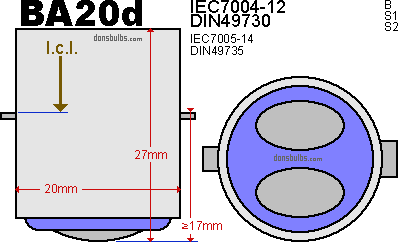
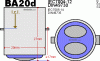
Hello Harry, I think you are looking for a 12 volt BA20d bulb. You'll need to study and measure the socket. A BA20d has a 20mm diameter base with two flat bayonet pins (one larger than the other) and two contacts (hi and lo beam). Check to see if it matches this... The original one is a standard (non-halogen) type with a large round glass envelope probably about 15w. If it is a BA20d base then you can simply google a replacement. The one I use on my pro is a Narva 42027 (which is a 35w halogen). Hope that helps, Chris Brisbane Australia.
-
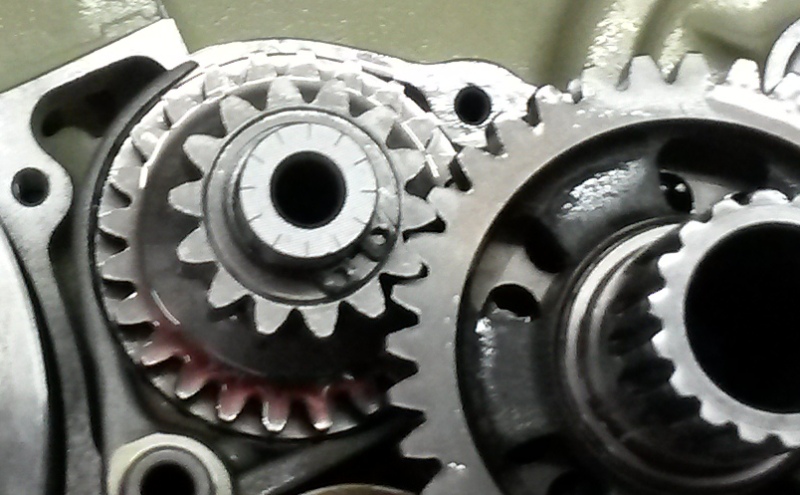
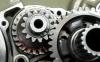
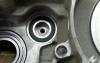
If that broken nipple has gone inside then it should still be contained within the hollow transmission primary shaft. The left hand bearing of that shaft surrounds the breather. The clutch is attached to the right hand end and the clutch retaining screw has a small hole to allow breathing but would be too small to allow that nipple to escape. You could try the following: Remove the clutch cover, then remove the small allen screw in the centre of the clutch (it's either 4mm or 5mm internal hex but I can't remember). Then you should have access to the nipple inside the hollow shaft. But I still don't know if you will get it out through the screw hole. Otherwise you can either leave it in there or you'll need to split the engine to remove it from the left side of the primary shaft. These pics show the left end of the shaft and the bearing it sits in (the hole is where your nipple belongs). Unfortunately, I don't have any good shots of the clutch end. Chris Brisbane Australia.
-
I have really enjoyed reading this thread. I think the advent of lanyard kill switches will bring out a lot more plebs among us. There are only three types of riders with lanyard kill switches - those that have tried to start the bike without it, those that will try it sometime soon, and those that are goddamn liars.
-
You might need to consider posting your primary cover (containing the water pump) down to the dealer so he can replace the seals. It looks like you need to use a blind-bearing puller to remove the bearing to get at the seal. Then he could post it back along with the gaskets for you to re-install. Chris.
-
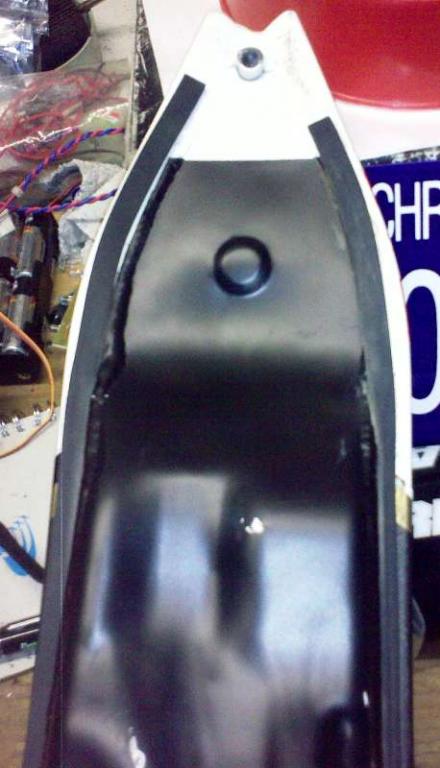
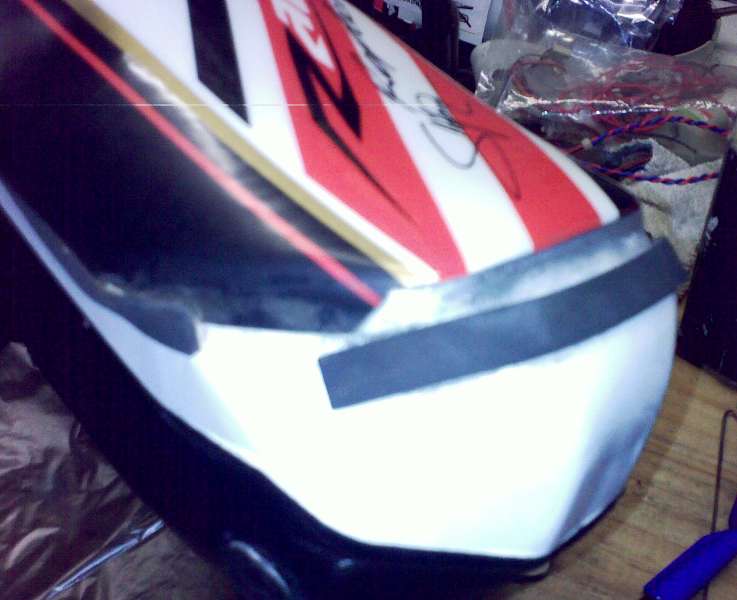
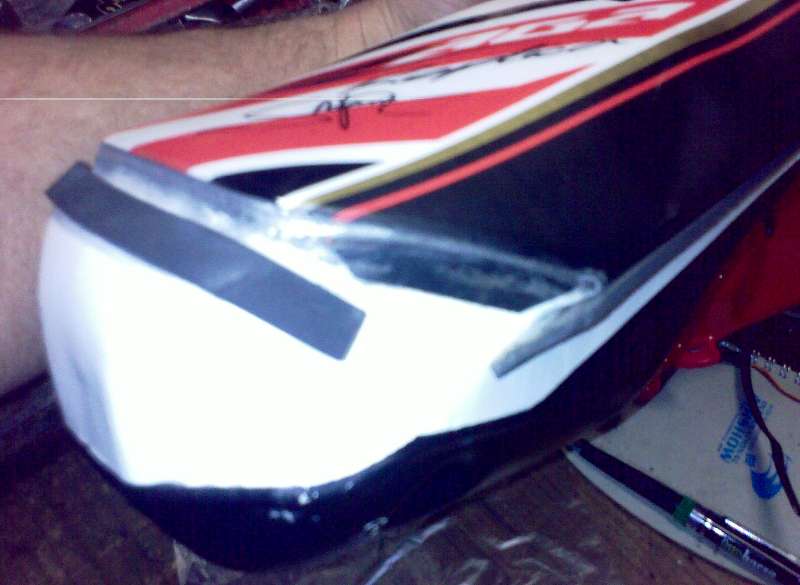
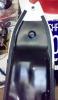
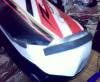
As Steve said, the rubber strips are stuck to the tank. The attached photos might help in placement of the strips. Sorry for the quality, they were taken a while ago with an old phone before I re-did my tank. Chris.

-
According to the parts book for your 2014 Racing 300, it is the same part number BT27714009 which is for the standard non-sealed bearing. So yes, all the above should still apply to your bike. You need the following parts to fix the dog-bone links... BT27714009 Suspension link bearing x 4 C230001 15x21x2 Oil Seal x 8 BT27712005 Bushing 10mm x 2 BT27712014 Bushing 8mm x 2 or for the sealed version... BT27714009x20 Linkage bearing HK2015-2RS x 4 BT27712005 Bushing 10mm x 2 BT27712014 Bushing 8mm x 2 The part number for the HK2015-2RS bearing is one my local dealer has now created and may not apply in your region. Just order from a bearing shop.
-
I've heard differing opinions on this... Anything from 0.009" to 0.015". However the brand new rings for my 300 already had 0.011" end gap so I left them at that as it's a bit had to file metal back on!
-
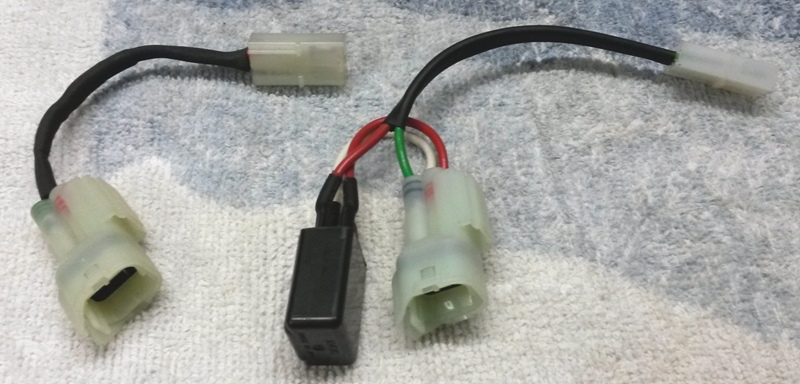
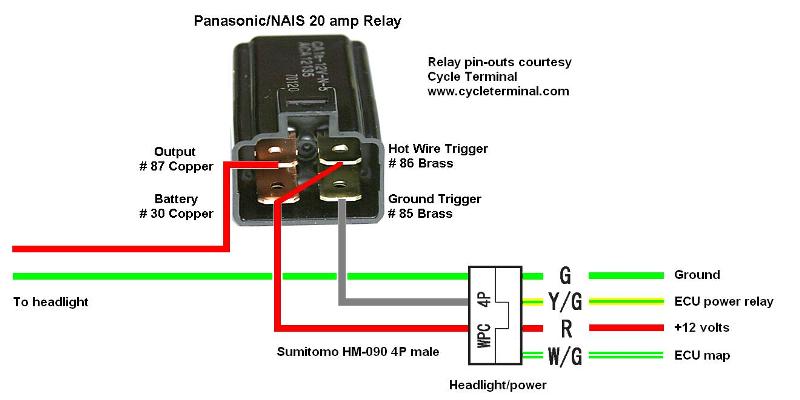
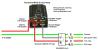
Just an update on one of two solutions to the headlight-on starting issue My 2015 Repsol starts first kick hot or cold 99% of the time. With the headlight installed it needs 2 or 3 kicks which is very annoying. This is with the small 20W off-road headlight as supplied with the bike. So I decided to modify the wiring to make it work like the on-road version with the power relay to supply power to the light after the engine starts. And it works like magic. It starts first kick day or night. The light comes on about a second after the engine starts (the ECU controlling the relay). I still think the stator spacer is a good move and Ill be doing that as well. Anyway, heres how to do the headlight wiring without butchering anything The original headlight connector is a Sumitomo HM-090 series. These are nice fully sealed. Where from? Well I dont want to fall foul of the admin here but if you google "cycle terminal" you will find the supplier I used and hes great genuine connectors, cheap prices, cheap and fast postage. You need the 4 pin male half only (Male HM090-4). Get a couple of HM Connector Cavity Plugs (Plug 090) while youre there or remove one from the original connector to seal the unused port. You also need a 12V micro relay (MR20-C-5) (no mounting bracket) from the same guy. I managed to install the relay on the bike inside the vinyl boot along with the headlight connector (under the fuel tank). The street version mounts the relay behind the headlight which would make sense but then you will require 3 wires in the headlight loom rather than two. Once you have the bits, wire it up as per the ED/2E version wiring diagram in the manual. You need 12V power from the red wire in the harness (Sumitomo connector) to go to two places on the relay (bat terminal #30 and coil terminal #86). Run the trigger wire from the yellow/green wire in the harness connector to the relay coil (terminal #85). Then for the headlight: run a red wire from the output of the relay (terminal #87) and an earth wire from the Sumitomo connector (green harness wire). The relay terminal pinout diagram is available from the cycle terminal web site but Ill post it here if I can get permission. This is what my finished wiring looks like the original on the left (with a Tamiya 2 pin connector for the headlight because I remove it during the day) and the power relay setup on the right. It adds a couple of grams but works a treat. Edit: Added this wiring diagram...

-
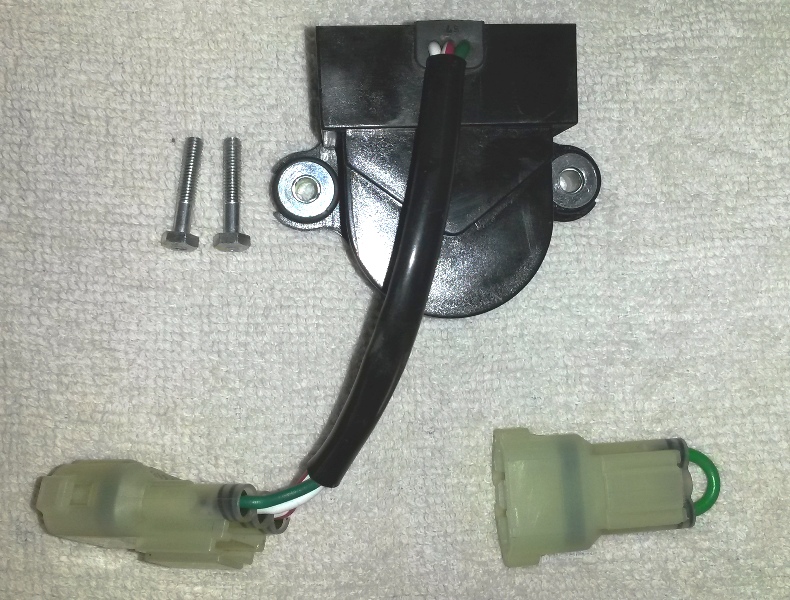
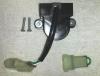
Sorry to dredge up an old thread, but since Ive discovered what some of the 4RT electrical connectors are, I thought Id share this info with anyone wanting to remove their bank angle sensor without butchering anything and allowing it to be re-fitted (for what reason I dont know). As mentioned above, if youve fitted a lanyard kill switch you can save 110 grams by removing the bank angle sensor. But you need to link the earth and sense wires together. The original connector is a Sumitomo HM-090 series. These are nice fully sealed connectors if not a little on the large side. Where can you get them? Well I dont want to fall foul of the admin here but if you google "cycle terminal" you will find the supplier I used and hes great genuine connectors, cheap prices, cheap and fast postage. For linking out the B/A sensor, you need the 3 pin male half only (Male HM090-3) which comes with terminals and seals. You also need one HM Connector Cavity Plug (Plug 090) to seal the unused centre pin. Simply wire the two outer terminals together as shown below. Then remove the B/A sensor from above the rectifier/regulator. You need to remove the air box first. The mounting screws are 7mm hex head. The connector is under the large vinyl boot above the front sprocket.
-
As Steve said - check with regulator and rectifier unplugged. But don't forget - the 12 volts at the yellow wire is AC. Make sure your multimeter is set to AC otherwise it will read zero. If you disconnect the regulator, the voltage on the yellow wire should go quite high (maybe up to 75 volts when you rev it). It's difficult to check for a short (to ground) because the stator winding should only read about 0.1 to 0.2 ohms to ground anyway. So it would normally look like it's shorted. Most multimeter leads will have that sort of resistance themselves so it's not easy to check. Check all the grounds are connected and clean. I remember a mate wired in a new kill switch on his brand new Montesa once and after a short ride it looked like "Puffing Billy" (the steam train) as the fan wasn't running because he'd managed to disconnect one of the earth lugs. Good luck with it.
-
I've just been out and re-weighed both bikes (full of fuel). Gas Gas comes in at 68.6kg (was 64 back in 2011 on different scales). My Gas Gas is a Raga model which is almost 2kg lighter than standard. The 4RT today shows 78.6Kg (was around 80kg the other day but I've since installed an old bald tyre, removed headlight, front disk cover and fuel vent plumbing). So the difference is 10kg and apologies to Montesa and I've corrected the original post. The 4RT still seems easier and nicer to ride despite the weight penalty. Chris.
-
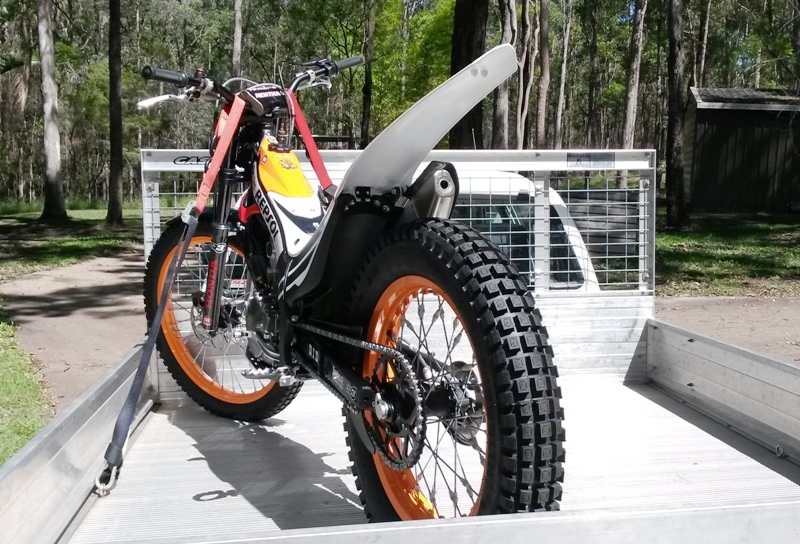
Yes Mags, that is my block of land but it’s a bit too flat for trials. I finally got out for a solid practice ride last weekend and got that lovely bike (Repsol pictured above) all muddy. My original intention for buying the 4RT was to have a fun bike that could do the occasional easy section but mainly just ride some trails. It was never going to be competitive against my 300 Gasser especially being around 16kg* heavier and a lot wider. How wrong I was! This thing is fantastic. I rode all of my usual practice sections and cleared them easier than ever before and with less effort. And that was after installing a well worn rear tyre. The 4RT is so easy to ride, I just love it. Can’t wait to get out again this weekend. * Edit - Apologies, it's actually about 10kg heavier - reweighed the Gasser and it's gained weight (like me).
-
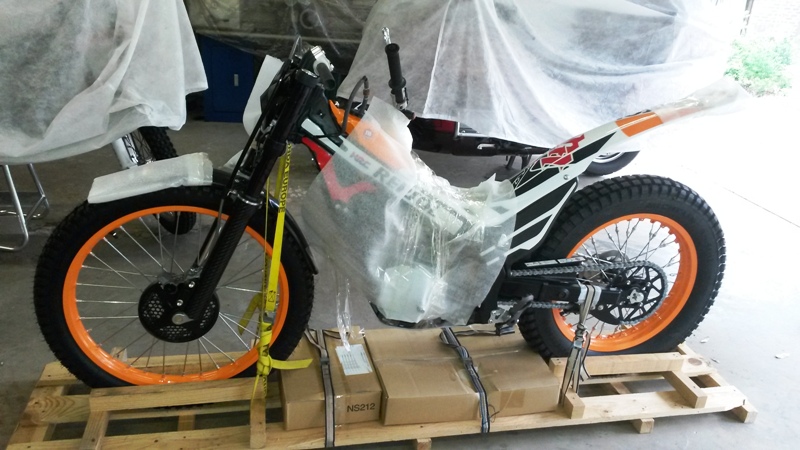
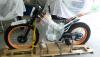
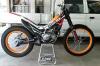
This arrived the other day...

-
I'm guessing they sold you the 3E (offroad/racing/non-homolated) model rather than the ED street model. It's not just the lights there are a lot of other differences. The street model will have a catalytic converter and O2 sensor in the header pipe (along with restricted intake and exhaust). With the lights plugged in, it will also be running an emissions compliant map. Also, the fan relay is mounted behind the headlight whereas the racing model moves that to under the seat. You might have issues registering your bike if it is the 3E racing model. Rules vary from country to country. To my knowledge both the ED and 3E (red tank) models should come with the trail bike seat - I wish the Repsol version did too. Chris.
-
Twinshocked is correct but only on the street models - ED and 2E. They (with the full headlight setup) use a "power relay" to provide power for all the lights and horn etc. That relay is only turned on by the ECU after the engine is running. That's a good setup. On the 3E and 4E models, the small headlight is simply connected to the common 12v line and therefore, can rob power from the pump etc. That headlight is usually only 20W max so I guess they get away with it. They all plug into the 4 pole lighting connector. The 3E and 4E models connect to the red (+12V) and the green (earth) wires only. If you want to install a relay, the Yellow/Green wire in that same connector is from the ECU and provides an earth to turn on the power relay after the engine is running. Chris.
-
I’m guessing one or more of the following: 1. The company doesn’t like getting sued. Faulty brakes could possibly get you killed, a faulty clutch is less likely. 2. Brake fluid is potentially exposed to more dramatic temperature changes so could degrade more quickly. 3. The brake caliper seals are exposed to the outside world – water, mud, dirt, and pressure washers. So there is a chance for contaminants to get into the brake fluid. The clutch slave cylinder is more protected. Personally, I just change both clutch and brake fluids once a year on all my bikes. I find the brake fluid can be quite dirty looking whereas the clutch fluid is always clean – maybe Montesa has something there. Chris.
-
Better still, send that low quality 4RT to me (I'll give you a couple a hundred for it) and buy yourself a Gas Gas or a Sherco. That way you get to replace all four link bearings every year because they are all water affected and seized - nice and consistent.
-
Even if the fan appears to be working, you might find the thermo-switch has become intermittent. It's happened to me twice. Unexplained coolant smell and visible coolant down on the bash plate. Fan appeared to be working (was coming on and off as usual). Obviously it wasn't always coming on as required and a week or two later it stopped coming on. Replaced the thermo-switch (again) and it's all fine. I also installed an extra earth wire and bullet connector under the tank so I can easily by-pass the switch if it fails again. Chris.
-
Post #42 "it doesn't get away for the fact that there appears to be a bearing missing" Post #51 "ie NO BEARING FITTED not my lack of servicing" We kinda got the impression the bearing was missing.