

dan williams
Site Supporter
-
Joined
-
Last visited
Everything posted by dan williams
-
-
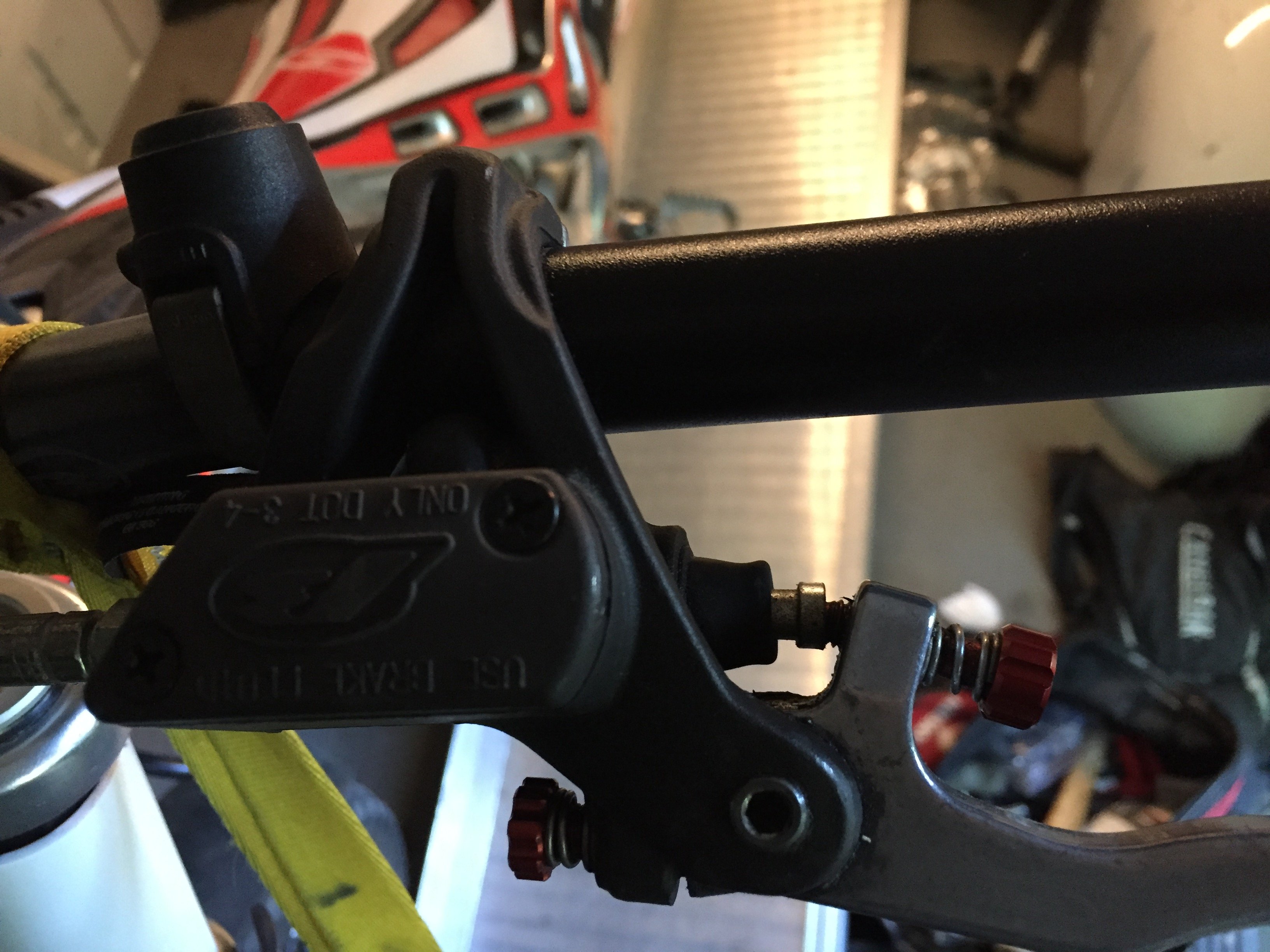
Experts tend to like their clutch to hit immediate and hard like an on/off switch. First things first though. Pull the lever and the rubber dust cover off to make sure the piston in the master is actually returning to the snap ring. There is a spring above the piston that can be damaged if the lever takes a hard hit. Looking at the photo the adjustment screw should never have to be that far out so that looks funky but maybe those levers are not the correct ones for that bike. People that have measured the throw of the pressure plate report it to be around 1.27mm so there's not a lot to play with. Theoretically the hydraulic clutch is self adjusting as the slave piston only comes back as far as the pressure plate pushes it so its resting position is variable depending on wear and manufacturing tolerances. If the actuator assembly is put back together wrong it's possible the clutch will still seem to work but not work correctly. I think we've all lost the ball bearing that sits between the push rod and the actuator at one time. Replace it with a slightly different bearing and the clutch behaves a bit "odd". Along that line the Japanese video you're referring to uses shims to take up any slack in the actuator mechanism so that the clutch actuation takes place without any slack in the throw. This is to address the problem of clutch drag with the lever pulled in. Referring back to the 1.27mm of pressure plate throw, if you pull the lever at the handlebar all the way in and the piston in the slave cylinder moves 1.4mm over the entire lever travel that is a fixed amount. If the resting position of the clutch actuation mechanism has 0.5mm of slack in it you will only move the pressure plate 0.9mm which may cause some drag as the plates move past each other. If you use washers to take up the slack in the actuator mechanism so there is no slack then you get the full pressure plate movement of 1.4mm and less drag. These are numbers just for illustration, not actual measured values. Bear in mind that free throw at the lever is not necessarily the free throw of the actuation mechanism. The master cylinder must have dead space in its throw to allow the bleed hole in the reservoir to be uncovered. That part of the travel has no effect on the pressure plate as you noted. Since an expert had the bike I wonder if it could have an accessory slave cylinder. Might be worth asking if you can. One other thing I think worth noting is on my bikes I ditch the thicker plates on the ends of the clutch pack for two more of the 2.7mm plates. I just like the feel better being a duffer with no expert ambitions. Or intermediate ambitions for that matter.? Having done the clutch fix on so many bikes I have a stack of various Beta clutch plates in the garage. Some of them given to me by people who thought they needed to replace their plates. In theory it's a really simple mechanism but in reality they can be very finicky if the bits aren't all in the right place. This is where I wish all you guys were local so I could see it in person.
-
As strange as it seems having the clutch slip a bit on the road in top gear is pretty much not an issue as it is not a road bike. Having a progressive engagement in a section is much more important. Having said that if it really bothers you changing the oil to ATF may help as ATF has friction enhancers. The other thing to try is to take fine emery cloth and dress the steel plates to break up the surface polish that happens to the steels after years of use.
-
Any update?
-
If it’s a four stroke they are all six nominally 3mm. The two stroke uses two 3mm and four 2.7mm. Plates don’t wear on a trials bike and certainly shouldn’t be worn on a 2018. I think your adjustment is just out. To make it engage further out back out the screw on the lever that pushes the master cylinder piston in then adjust the screw on the perch to allow the piston to return all the way out to the snap ring in the master cylinder. I also move my levers in on the bars to give me more leverage and better feel since I only use one finger on the clutch and brake. It has the added advantage of making it hard to bend or break a lever since the bar ends will almost always hit first.
-
Ah I was wondering about the name change. Good luck to him. I always liked Ryan.
-
Has he sold the business?
-
I think the bikes in the UK all came stock with the flywheel and had a spacer for the case. You might be able to source one "over there". https://www.splatshop.co.uk/s3-beta-flywheel-weight.html Looks like Ryan's got some. Pretty thin so they might not need a spacer. Best option is to just call Ryan and ask. https://rypusa.com/s3-evo-flywheel-weight-14/
-
I might as well post this again. This is my diatribe on the cheesy system ground on my '08. It may be of some use to you. Beta_wiring.pdf
-
Voltage and frequency varies with engine speed but it has to be minimum around 15-16 volts RMS since there’s some drop in the regulator. I think it probably runs between 15-25 volts. The voltage will also be affected somewhat by the load.
-
H Hopefully. I put a new rear caliper on the '18 last month because the rear was acting strange after a hit. Replaced the bent disk but it still acted funky. Old caliper is still on the bench waiting to be disassembled and geeked at.
-
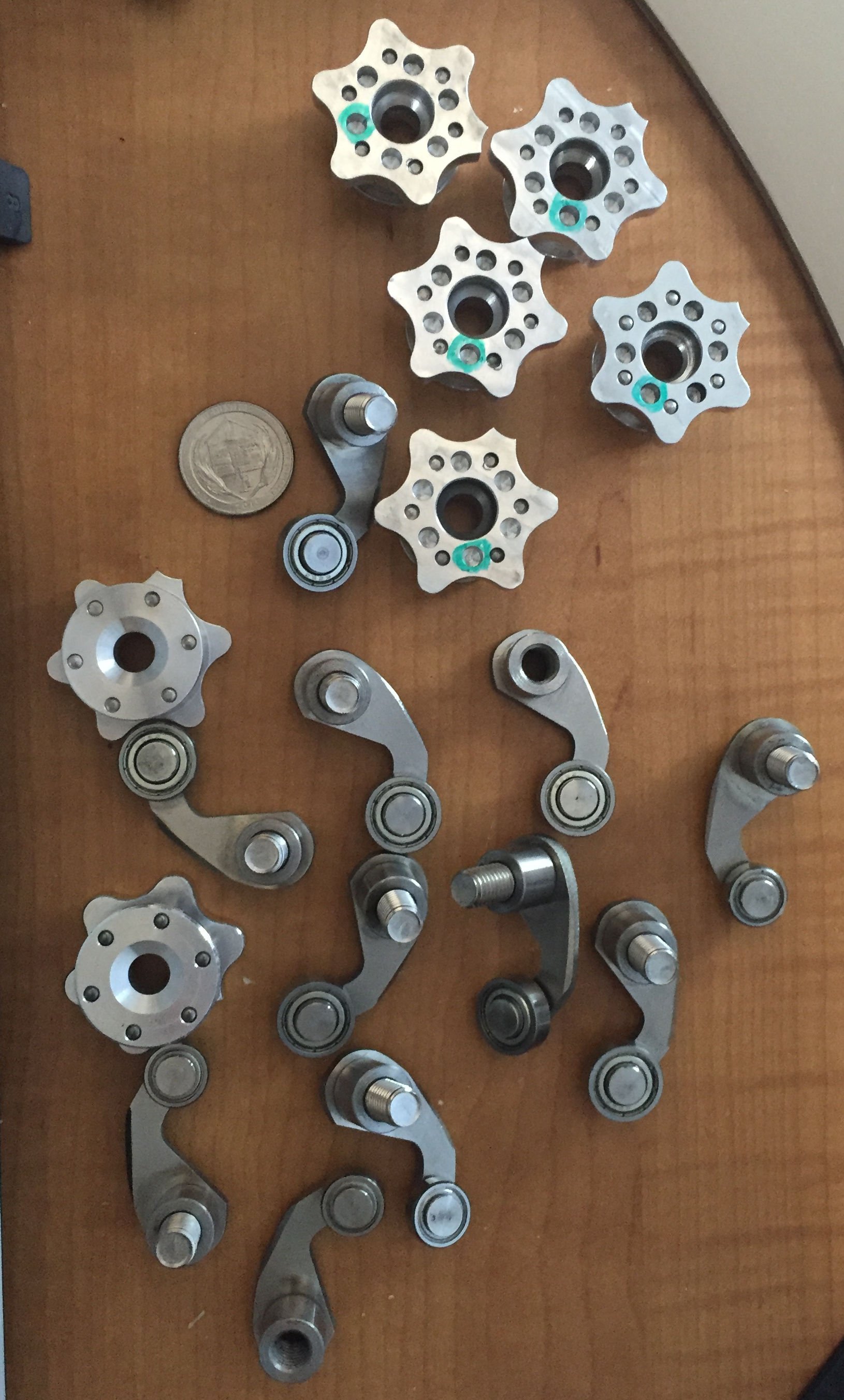
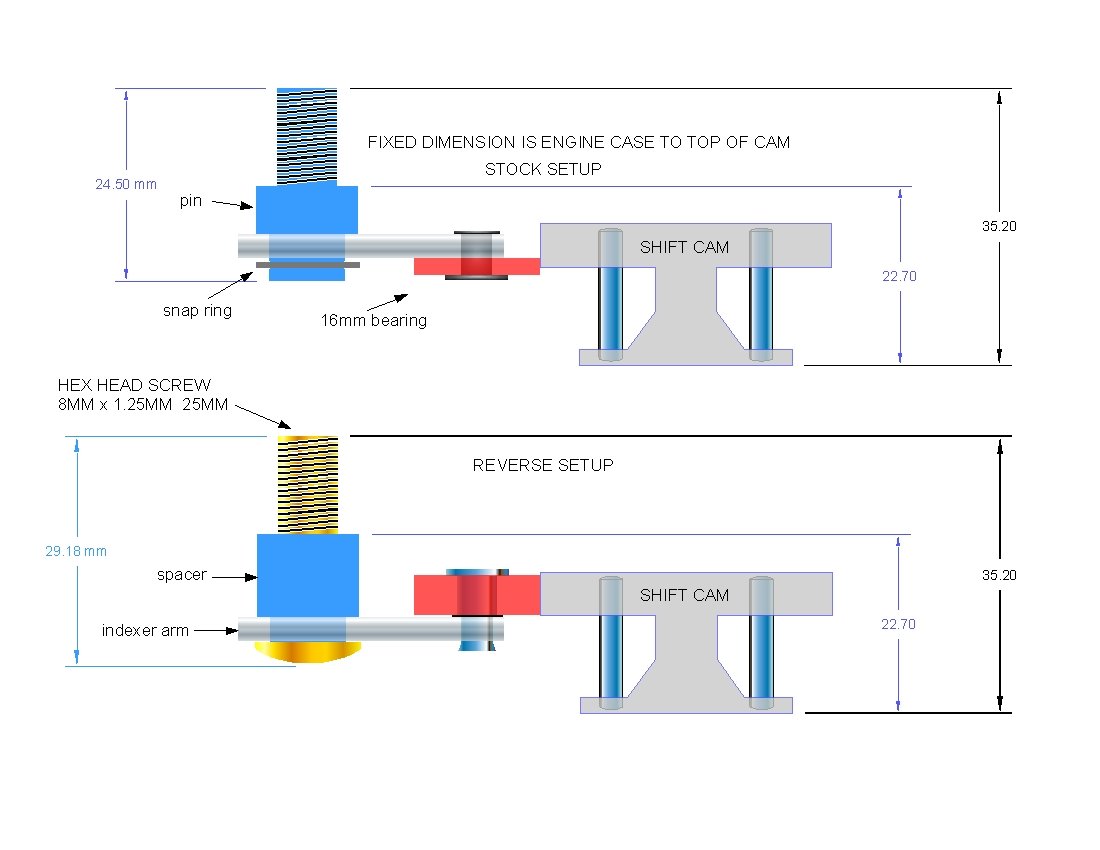
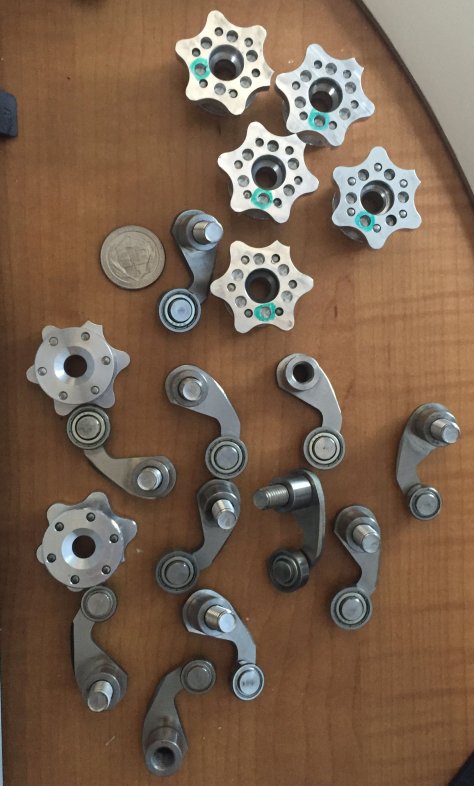
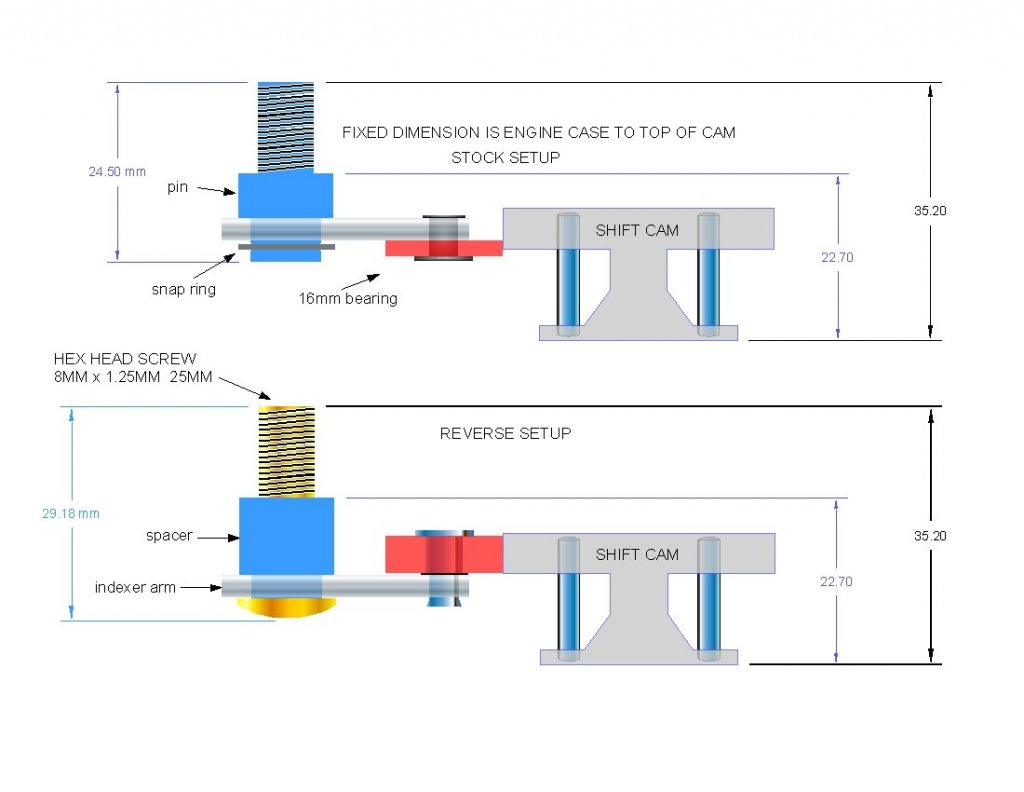
Got a few parts I could farm out. They come with no warranty, implied or explicit. All are the reverse bearing design so the bearing sits properly on the cam. The 13mm bearings are for the stock cam. The 16mm bearings may work on the 2018 factory and 2019 standard with the new cam design but I can't be certain as I don't have one to measure. The 16mm bearing does work with the custom cams the 12mm hole that the pedestal of the shift drum sits in is kinda snug due to machining tolerances so I had to hog them out to ~12.07mm with a sanding drum. Not precise I know but it worked. The green ink on one index hole is the position to put neutral between 1st and 2nd. The custom cam and 16mm bearings are now in my bike and one other "Beta" tester. So far he likes it.
-
That wiring drawing would typically be all you need to make your own but I've found the Beta diagrams to have inaccuracies. You could try one of the bike breakers in England. There'll be nothing in the US since most riders here just pull the headlight and other wiring off and lose it somewhere in the garage. Easier to schedule tea with the queen than get a trials bike road registration here.
-
True but that’s how it becomes your experience.?
-
I do have indexers I made with better bearings that should fit your bike. Let me know if you need one.
-
Shouldn't have damaged the seal which is internal to the master cylinder but will destroy the dust cover. Beta rear brakes are always a pain to bleed. I find it necessary to crack the banjo bolt at the top of the master cylinder as that's where the bubbles settle being the high point of the system. Also, given the flexibility of the disk, you may have to put pressure on the disk to get the pistons on both sides to be equal. What happens is one piston can be out a little more than the other and instead of self centering like they would in a car with a big thick disk the further out piston will push the disk over to the other piston. This makes the brakes soft. The way to check it is to actuate the brake with a finger on the edge of the disk near the caliper. If you feel the disk move the pads are not properly centered. If it does apply the brake and gently apply pressure opposite to the movement of the disk. Remember you're just pushing the disk back to center. Don't use any kind of tool as you don't want to bend the disk. It might take a few times. The end goal is to be able to apply the brake and not feel the disk deflect but stay centered between the pads.
-
The original mod of polishing the ends of the fiber tabs smooth works on any bike that has poorly finished plates. The newer plates seem to have a much better application of glue so the cleaning out between the pads is not so important anymore. Since you have the four stroke with all six 3mm thick fiber plates you do have the option of putting in the kevlar plates from Barnett. The finish on them is beautiful. I do have a set I could send up if you want them. I never used them but bought them to see if they would work on the 2t. They're just a tiny bit too thick for the 2t.
-
Geez that sounds like your indexer bearing has fallen off. As weird as it sounds this may be a best case scenario as it sounds like the cam/indexer interface is gone kapow! like a Don Martin cartoon. I think when you get the clutch basket off it'll be pretty obvious. Anything external to the cases is pretty easy to replace.
-
Not being able to get only two gears makes me think he’ll end up having to split the cases since the external mechanism is the same for all gears. I’ll have to look at the gear diagram to see if there’s a common element to 4th and 5th. I suppose a good question is, What do you mean you can’t select them? Do they just act as neutral or can you not just get out of 3rd or when you upshift the box just rejects the shift. Can you get into 6th? The more info we have the better the debug.
-
Someone just posted on FB a comment on having a cracked spark plug cap. Good reminder. I’ve also seen it necessary to cut about ten mm of the spark cable and reattach the spark cap.
-
First I’d pull the primary drive off including the clutch and with the bike on a stand spin the rear wheel while turning the shift cam to make sure the cam and shift forks are working. Unless you see something obvious you may be forced to split the cases to look for bent or worn shift forks. Beta uses an aluminum shift drum which will wear after long term use. Good luck and let us know what you find.
-
Betas with a trigger coil ignition are notorious for failures in the trigger circuit. The symptoms are similar to what you describe. Runs sometimes. Then won’t start. Then after a while starts but runs crappy. They usually show spark but never enough to get a timing light on it so it could be sparking anywhere in the cycle. It’s become the standard recommendation to just send the stator off to a rewinding house to have it checked and usually they will tell you it’s broken. The good news is a rewound stator is cheaper than new and in all cases I have dealt with has fixed the problem permanently. The new bikes don’t use a trigger coil. So Beta peeps, any recommendation for rewinders? Does West Country still do Beta stators? Looks like trialsport also does rewinding and they have a video of their test jig. Shed engineering at its finest.
-
The 07-08 had a slightly different frame to the earlier Rev3s. The main spar/tank is smaller. I’m unsure of any engine changes. Probably nothing you’d notice anyway. All the usual Beta issues, eroding cases near the water pump. Especially if you don’t use propylene glycol coolant. Electrical system dodgyness. On my 08 the ground for the electrical system was a lug captive behind the headlight mount. Extremely bad idea. If yours is still connected that way find the main ground junction in the wiring harness and run a separate ground wire to a hard ground on the frame. I added two, one to the regulator stud and one to the ignition coil mount. I always ran 80:1 oil with racing fuel. It’s a good bike with a few mods. Almost forgot to mention bold new graphics.?
-
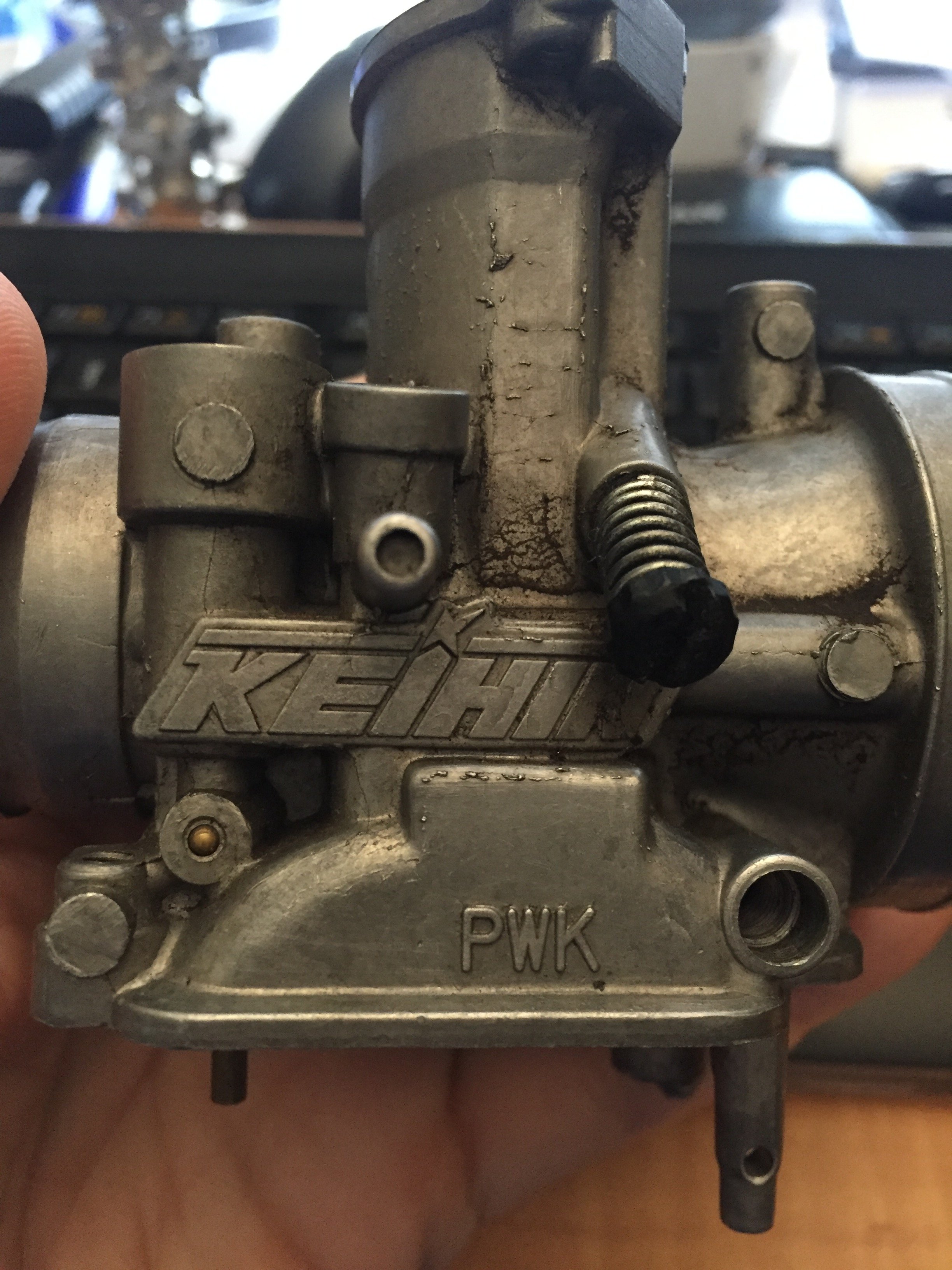
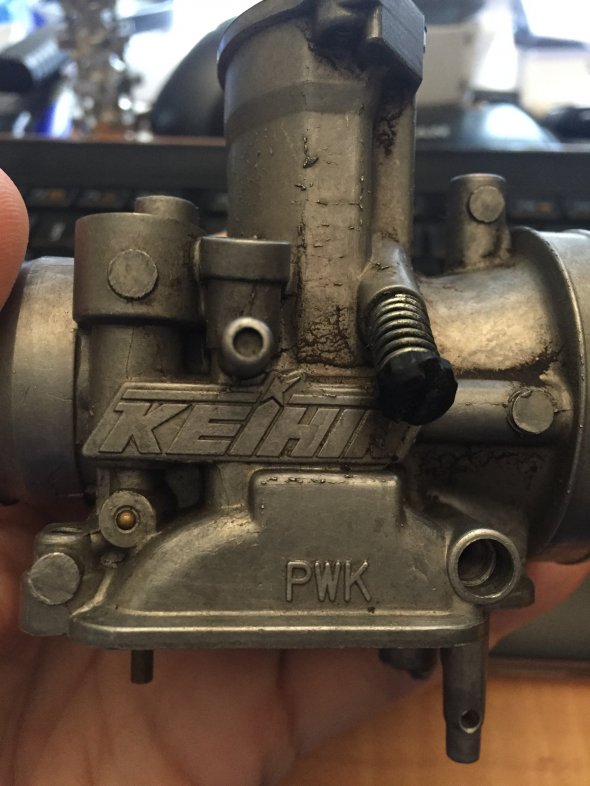
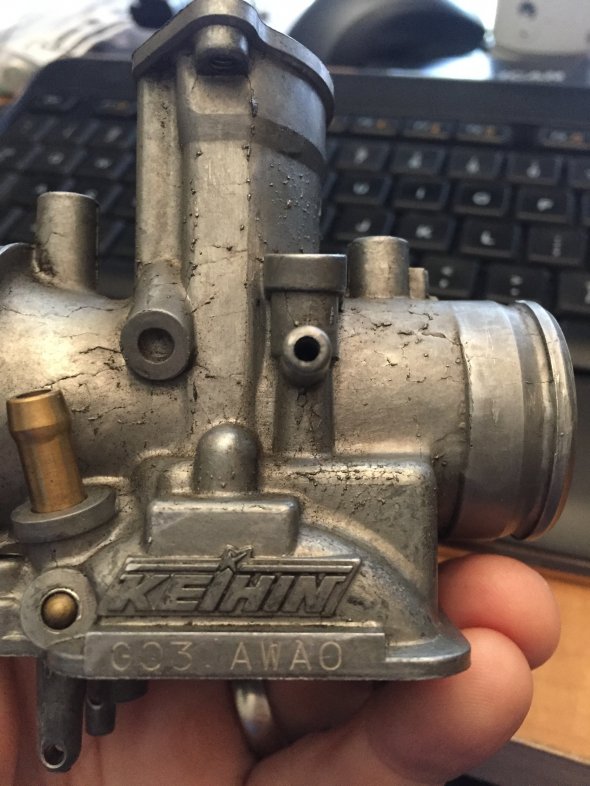
Funny you should say that. All the PWK28 Keihins I’ve seen only have one vent open even though Beta puts two hoses on them.?
-
Just ride the ox or is that a typo??